Development & production case study
Sky Harvest
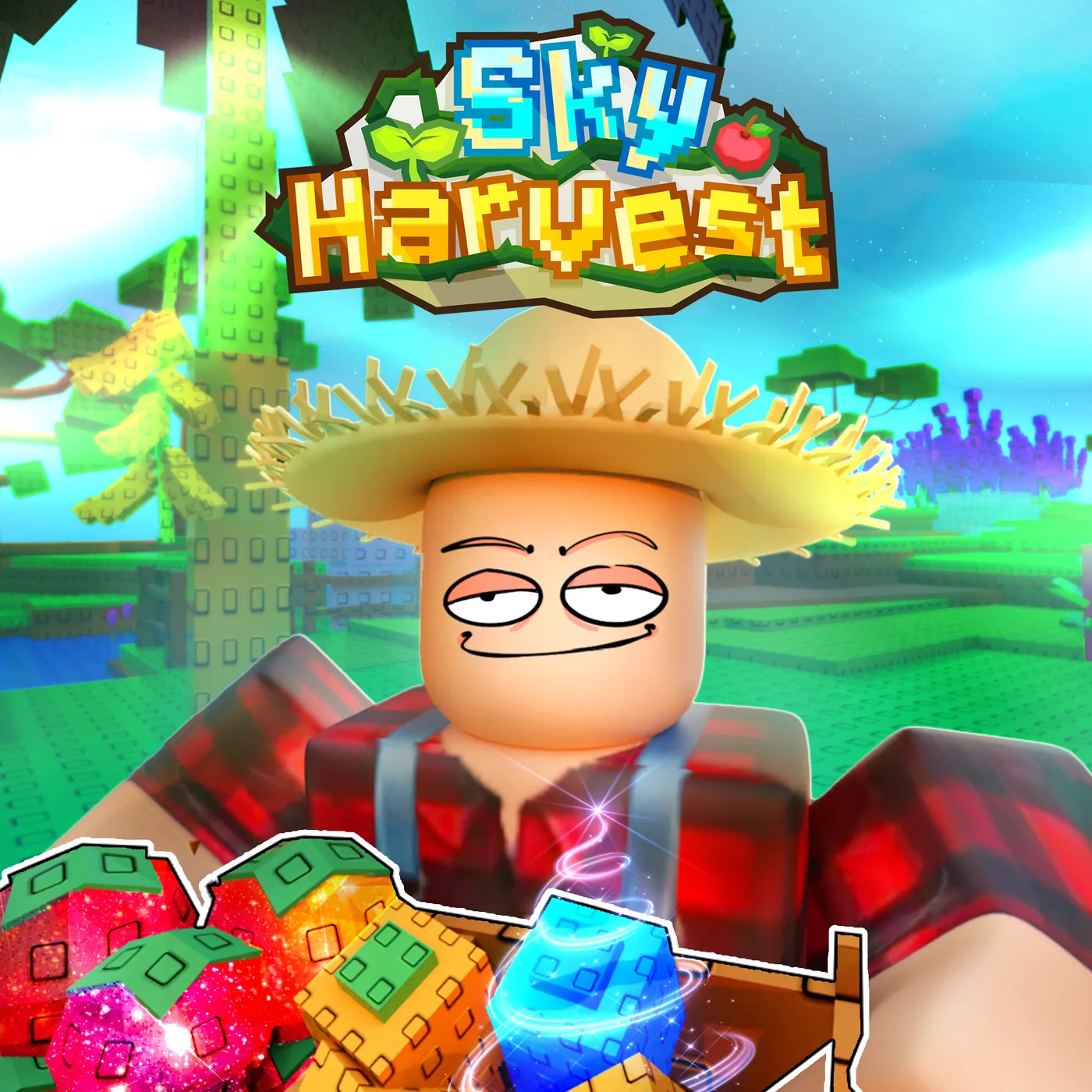
Taking a farming game from concept into live updates.
What I owned
End-to-end production from the design stage, alongside development of LiveOps content, the decoration system, onboarding fixes, and economy balancing. I also owned research, the GDD, sprint planning, and cross-functional communication.
What changed
Following the onboarding changes, we observed better progression through the onboarding funnel. The game also received two major updates: the summer event and chemical event.
Production & project management
Owning production from design to live updates
I owned the production timeline from the design stage through launch and live updates, connecting the farming game's creative direction with the team's day-to-day delivery.
- Created the GDD and translated requirements into sprint tasks. Research into comparable Roblox farming games helped refine the design and identify ways to give Sky Harvest its own direction.
- Planned Scrum sprints, assigned work, and tracked dependencies across art and development, keeping the team and executives aligned on scope and release dates.
- Reviewed Creator Dashboard data to inform onboarding priorities and coordinated production for the summer and chemical updates alongside my own development work.
Hands-on development
From gameplay systems to live content
- Built the decoration and build-mode system: ghost placement with surface snapping across multiple decoration areas, a global 75-item placed cap validated on both client and server, and a cosmetics inventory panel with search and discard.
- Extended it with interactive furniture (benches, chairs, sun chairs), a growing furniture catalog, and a decoration shop with rarity-weighted restock rolls.
- Shipped the Summer Feast event: an event HUD with dynamic layout, a decorations catalog, and the shop handover and phase test plans.
- Implemented the cooking and NPC-order systems that turn the farming loop into premium currency for decorations.
- Hardened seed and inventory data: clamped offline fruit assignment to model slots, remapped stale positions on load, guarded harvest against destroyed models, and trimmed legacy over-capacity fruit.
- Ran several memory-leak audit and fix rounds, each with a written handover and test plan.
- Onboarding: tutorial fixes and a notification-suppression option on the Notify panel.
- Defined typed network events in Blink and balanced the economy and quest rewards.
Systems touchedFurniture · FurnitureSeat · SummerFeast · Cooking · NPCOrder · Seed · Quest · Tutorial · Profile · Shop · Market · GameEvent · DevCommand
Starting with the design
I joined Sky Harvest at the design stage and owned production planning and coordination end to end. I researched comparable farming games, documented opportunities for differentiation, created the game design document (GDD), and translated design requirements into tasks, timelines, and expectations for the art and development teams.
Giving the game its own direction
Our initial gameplay loop was too similar to established farming games. I worked with the team to introduce connected mechanics: brewing chemicals for mutations and cooking to earn premium currency for decorations. These additions expanded the experience while staying connected to the core farming loop.
Building the decoration system
The decoration system was the largest piece I built myself. Build mode places a ghost of the item, snaps it to the surface under the cursor across several decoration areas, and enforces a global placed cap that the server validates rather than trusting the client. Around it I added a cosmetics inventory with search and discard, interactive seating, and a decoration shop whose stock is rolled by rarity, which became the Summer Feast catalog. Shipping it also meant several rounds of memory-leak audits, each handed over with a test plan.
Making the first session clearer
We identified substantial player drop-off during onboarding. I implemented fixes to simplify that experience and make the game easier to understand, working with the team on the player journey. Following the changes, we observed an improvement in progression through the onboarding funnel.
Keeping delivery connected
I organized Scrum planning and sprints, coordinated work across art and development, and maintained communication between the team and executives. The game subsequently received two major updates: the summer event and chemical event.
What we observed
The onboarding changes improved funnel progression, and we observed a group of players engaging more deeply with the game. These are qualitative observations; this case study does not claim a quantified retention or conversion improvement.